Here's the thing about numbness with a partner
You're not broken. Your body isn't rejecting pleasure or your partner. What's happening is neurological and psychological at the same time, and it's one of the most common things I see in couples therapy. The clitoral sensation that feels sharp and alive when you're alone goes flat the moment a partner touches you. It's confusing. It's frustrating. And it's absolutely fixable.
Let me explain what's actually happening in your nervous system, and then how lemon clitoral vibrators become part of the solution.
Why clitoral sensation disappears with a partner present
Your nervous system has two branches: parasympathetic (rest and digest) and sympathetic (fight or flight). When you're alone, you control the speed, pressure, and focus. Your body stays in parasympathetic mode. Blood flow is stable. Nerve endings stay responsive.
When a partner is involved, your nervous system automatically shifts. You're monitoring their reactions, their pressure, whether they're doing it right. You're tracking time. You're wondering if you're taking too long. This hypervigilance flips a switch into sympathetic activation. Blood vessels constrict slightly. Numbness follows.
It's not that you don't want your partner's touch. It's that your body is running threat detection software in the background, and that software quiets sensation down.
Research in sex therapy shows this pattern shows up in about 40 percent of people with vulvas at some point. It's especially common if you spent years with solo play before partnered sex, or if you have any history of pressure around orgasm.
The second reason numbness happens
Expectation changes everything. When you're alone, you have zero performance pressure. You can take three minutes or thirty. You can stop and start. You can explore without explaining.
With a partner, you're managing invisible expectations. Theirs, yours, the culture's. You're thinking about whether you should be coming by now. Whether your partner's arms are getting tired. Whether this is taking too long. Whether something is wrong with you.
That mental load is a numbness generator. Your nervous system can't prioritize sensation when it's doing emotional accounting.
How lemon vibrators change this dynamic
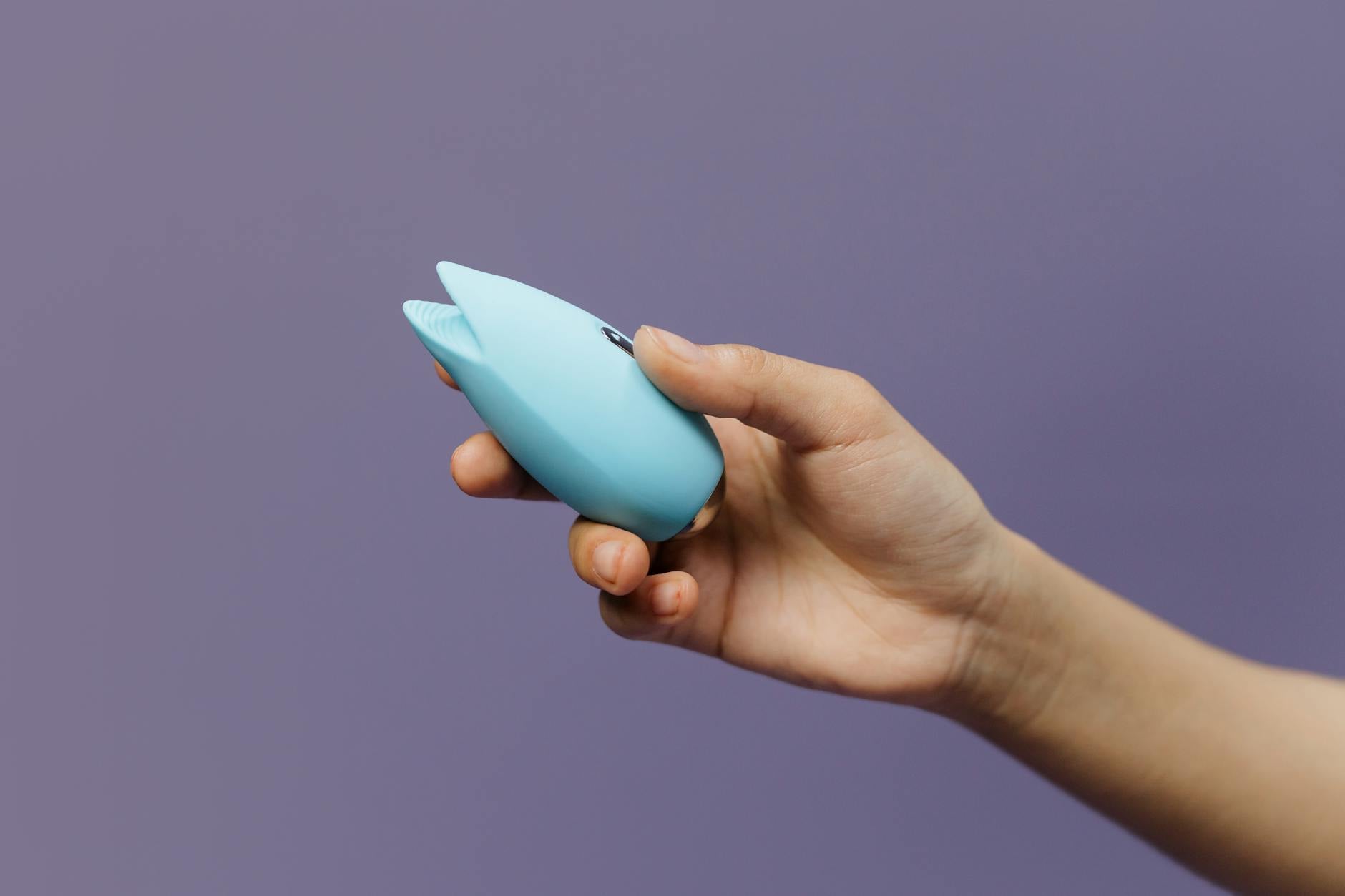
A lemon clitoral vibrator like the Lem does three specific things that help.
First, it redirects control. When a partner uses a toy on you, the pressure is consistent and doesn't get tired. You can relax the muscles you've been tensing. The toy stays at exactly the intensity you need, not wavering based on their fatigue or interpretation of your responses.
Second, it bypasses the numbness feedback loop. The suction pattern on lemon sexual toys activates deeper nerve clusters than manual touch alone. You feel something distinct and unmistakable, which signals to your nervous system that pleasure is actually happening. Once sensation registers, parasympathetic activation follows naturally.
Third, it creates permission. Using a toy together is explicitly about your pleasure, not about penetration or a particular timeline. It's a concrete signal that stimulation is the point. That removes the invisible clock most people run in their head.
Setting it up with a partner
Here's the conversation to have first. Not during sex. Before. Tell your partner something like: "My nervous system goes quiet when you touch me directly, but I want to feel things with you. I'm wondering if we could use a toy together. Not instead of you, but alongside."
Then, in the moment:
-
Start with the toy on the lowest setting. You or your partner can hold it. Begin before you feel ready. This removes the pressure of building arousal on demand.
-
Don't monitor your response. This is the trap. The second you think "Am I feeling it yet?" numbness returns. Instead, focus on the sensation itself. The pattern, the rhythm, how it changes when you shift position.
-
Let your partner stay involved through conversation or other touch, not clitoral stimulation. Fingers inside, kissing, touch on your body. The toy handles clitoral sensation; your partner handles connection.
-
If numbness still creeps in, pause. Not because something is wrong, but because your nervous system needs a reset. Change positions. Build anticipation for 30 seconds. Then begin again.
What to expect in the first few sessions
Sensation often comes back in layers. First session, you might feel pressure but not much pleasure. Second session, you feel distinct sensation but it's unfamiliar. Third or fourth session, your body starts recognizing the pattern and responding without your nervous system fighting you.
This isn't about chasing orgasm. It's about rebuilding the sensory pathway between your clitoris and your pleasure centers while a partner is present. That's a learnable skill.
Many couples find that once sensation returns with a toy, manual touch starts working again too. Your body has re-learned the connection. The toy becomes less necessary, though plenty of people keep using lemon clitoral vibrators regularly anyway because, well, they're designed to feel amazing.
When to adjust the approach
If numbness persists even with a toy, the issue might be deeper than nervous system protection. It could be unresolved tension about the relationship. Pressure from a partner about orgasm. Or genuine touch aversion from previous experiences.
That's not a toy problem. That's a conversation problem or a therapy problem. A lemon vibrator is a tool, not a solution to relationship friction. If your partner is impatient, critical, or pushing you to feel something, no toy works. The nervous system is protecting you.
But if the relationship is solid and the problem is purely sensory, using lemon sexual toys together is often the fastest reset button available.
The psychology piece that matters
Honestly though, the hardest part isn't the toy. It's giving yourself permission to feel different sensations in a partnered context than you do alone. Your solo sensation is real. Your partnered numbness is also real. They're not contradictions. They're two different nervous system states.
When you stop fighting the difference and instead work with it, everything shifts. You're not trying to recreate solo pleasure with a partner. You're building a completely different kind of pleasure, one that includes their presence and your own sensory reset.
That's when lemon clitoral vibrators become genuinely transformative. Not because they're magic. Because they're a permission structure in silicone form.
FAQ: Clitoral numbness with a partner
Why do I have full sensation alone but nothing with my partner?
Your nervous system is in different states. Alone, you're parasympathetic. Relaxed. With a partner, you're hypervigilant. Your brain is running threat detection and performance monitoring simultaneously. That activation constricts blood flow to your clitoris and quiets nerve sensitivity. It's completely normal and has nothing to do with attraction or desire.
Can a lemon vibrator really fix this or is it just a band-aid?
It's both. The vibrator is a tool that helps your nervous system recognize that sensation is safe and possible while a partner is present. Over time, your nervous system recalibrates. You stop needing the tool as intensely, though many people continue using lemon clitoral vibrators because they feel good. That's not dependence. That's just preference.
What if my partner feels insecure about using a toy during partnered sex?
That's a legitimate conversation, but here's the reframe: a toy isn't replacing them. Your nervous system is blocking sensation, and the toy is helping you access pleasure that's already yours. If your partner struggles with that, the issue is their insecurity, not the validity of your needs. A good partner wants you to feel pleasure, even if it means using a tool. How to Use Lemon Vibrators When Your Partner Avoids Pleasure Conversations covers this in more depth.
How long until I feel sensation again with a partner?
It varies wildly. Some people notice shifts in two or three sessions. Others take weeks. The timeline depends on how entrenched the nervous system pattern is and how much pressure exists around orgasm in your relationship. Consistency matters more than intensity. Regular, low-pressure practice resets the pathway faster than occasional intense sessions.
Should I feel pressure to orgasm when using a lemon toy with my partner?
No. Full stop. The goal is sensation and connection, not an orgasm on command. When you release the pressure to come, orgasm often follows naturally. But if it doesn't, that's fine too. Your body has remembered that pleasure is possible with a partner present. That's the win.
Is clitoral numbness with a partner a sign I should end the relationship?
Not automatically. Numbness is a nervous system response, not a relationship verdict. Many couples experience this and work through it successfully with communication and tools like toys. However, if your partner refuses to acknowledge the problem or pressures you about it, that's different. A relationship where your pleasure doesn't matter is a relationship worth examining. But if your partner is willing to explore solutions with you, lemon clitoral vibrators and honest conversation can absolutely rebuild sexual connection.
What comes next
The numbness you're experiencing right now isn't permanent. Your body hasn't forgotten how to feel. It's just running a protective pattern while a partner is involved. That pattern is changeable.
Start with a conversation. Pick a low-pressure moment to tell your partner what's happening. Then try a lemon vibrator together. Don't expect fireworks. Expect a slow return of sensation and a gradual shift in your nervous system's threat response.
If you want support navigating this in your specific relationship context, reach out. This is exactly what couples coaching addresses.